

What Is Dental Bonding?
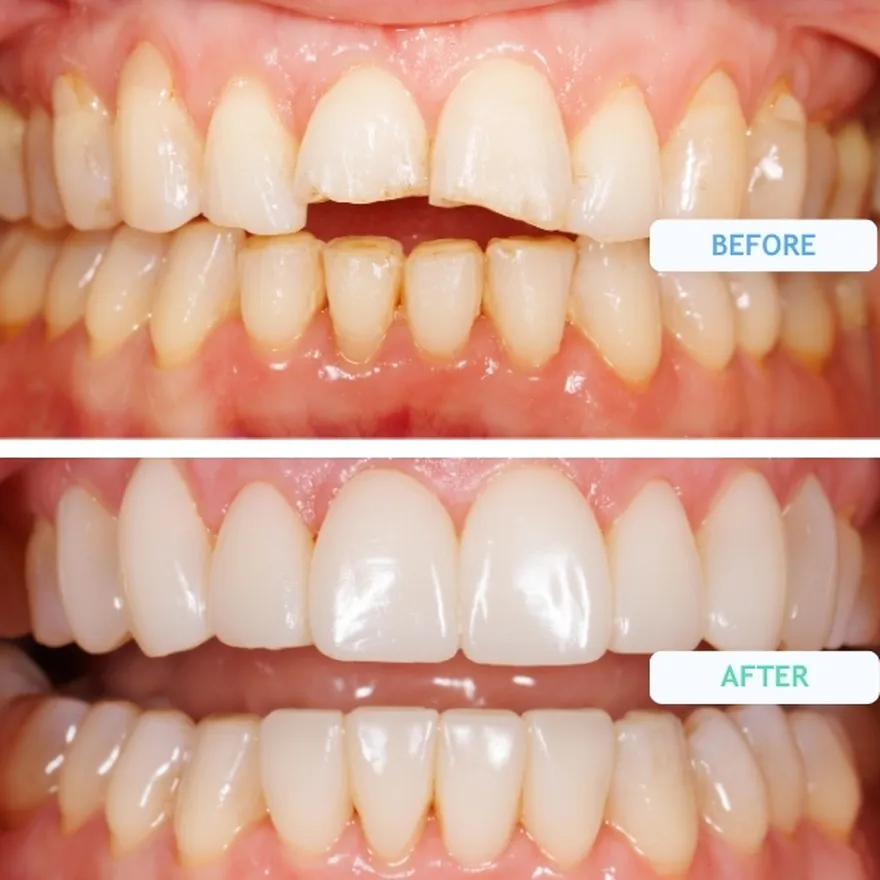
Dental bonding is a cosmetic dental procedure that uses a tooth-colored composite resin to improve the appearance of your teeth. At Patient Hub Care, this treatment is commonly recommended to repair minor imperfections such as chips, gaps, discoloration, and uneven tooth shapes.
Unlike treatments such as Porcelain Veneers, dental bonding is typically reversible and requires little to no removal of natural enamel. That makes it a conservative and minimally invasive solution for enhancing your smile.
Most patients can complete the procedure in just one visit, making it one of the quickest smile enhancement treatments available.
Why Choose Dental Bonding?
Dental bonding — also known as composite bonding or teeth bonding — is designed to address minor cosmetic concerns. At Patient Hub Care, dentists use this technique to:
- Improve the shape of teeth
- Close small gaps between teeth
- Repair chipped or cracked teeth
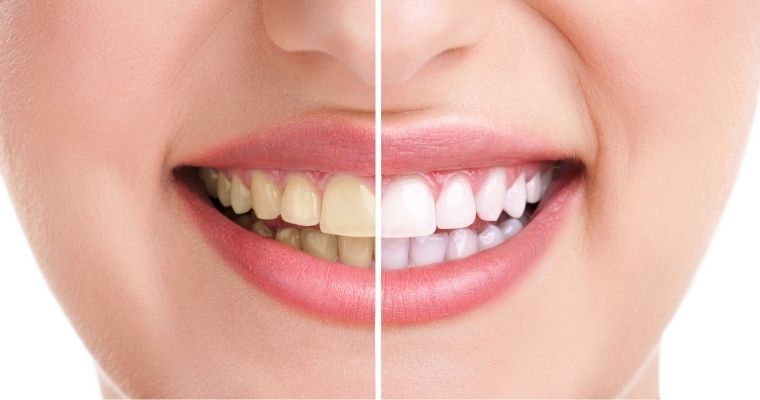
- Cover tooth discoloration
- Make short teeth appear longer
- Restore slightly worn edges
If you feel self-conscious about your smile, dental bonding offers a painless and efficient way to improve dental aesthetics without extensive dental work.
How Does the Dental Bonding Procedure Work?
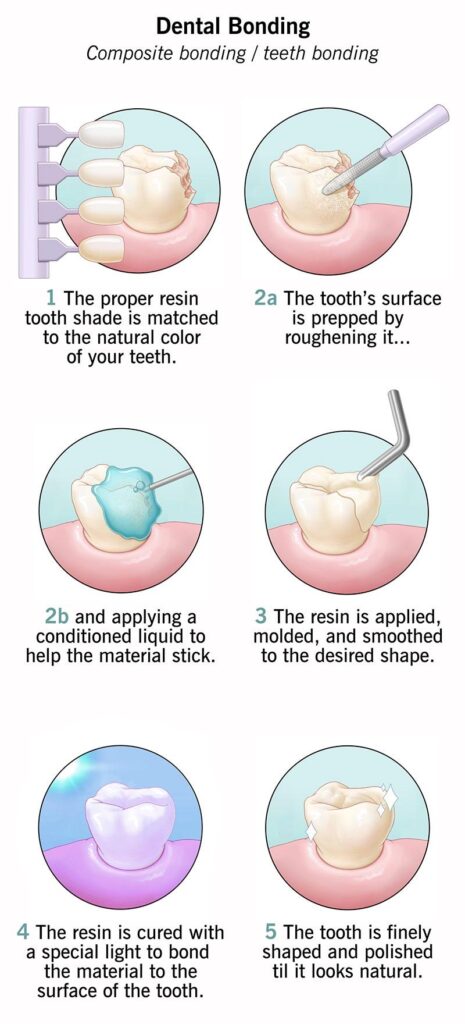
One of the biggest advantages of dental bonding is its simplicity. Here’s what you can expect during your visit at Patient Hub Care:
1. Shade Selection
Your dentist will use a shade guide to match the composite resin to your natural tooth color. The resin material is widely used in cosmetic and restorative dentistry because it blends seamlessly with existing enamel.
2. Tooth Preparation
The surface of your tooth is gently roughened, and a conditioning liquid is applied. This step ensures strong adhesion between the bonding material and your tooth.
3. Application of Composite Resin
The tooth-colored resin, which has a putty-like consistency, is carefully applied, shaped, and sculpted to achieve the desired look.
4. Curing Process
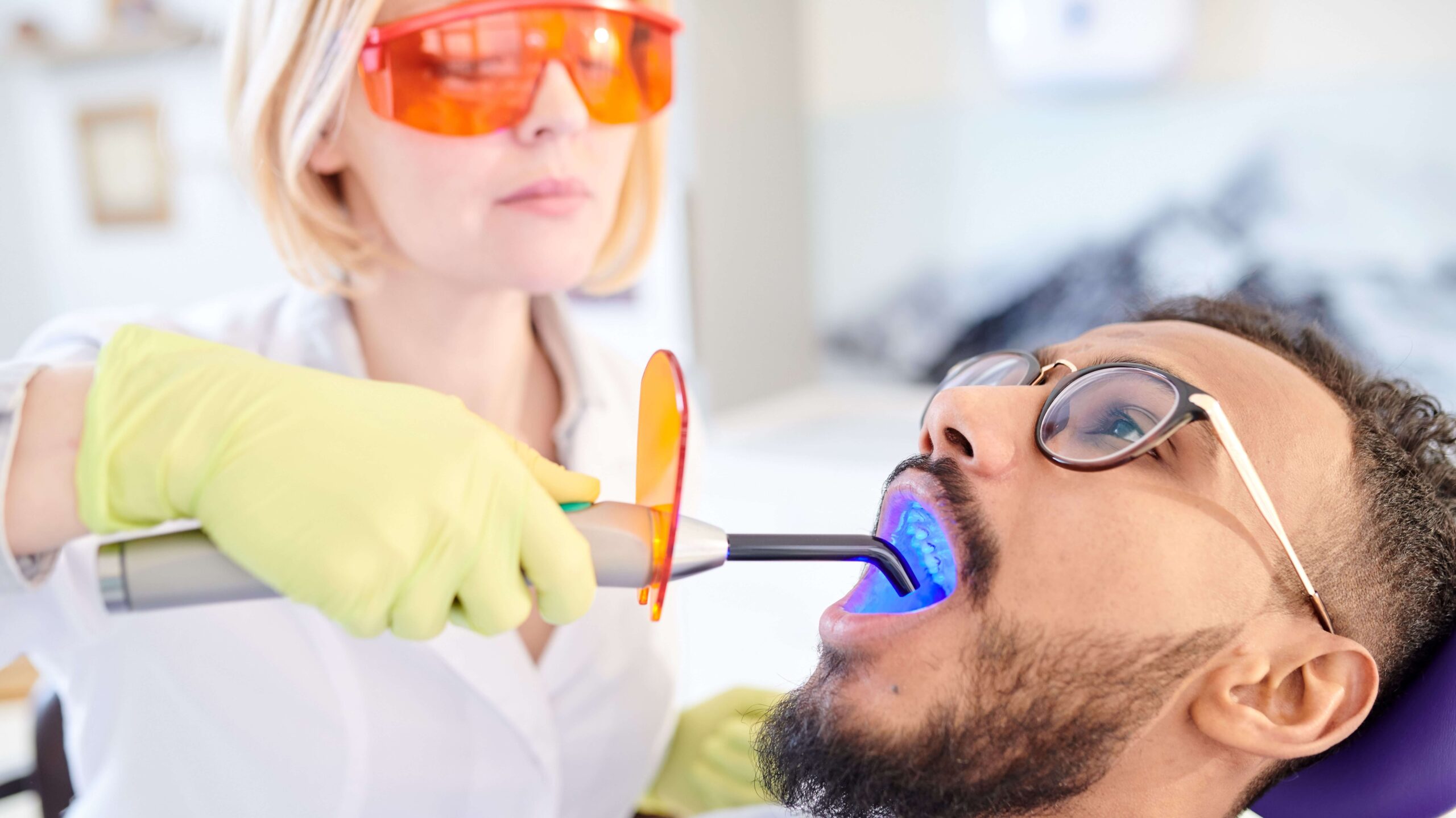
A special curing light hardens the material, bonding it securely to your tooth.
5. Final Polishing
Once hardened, your dentist refines the shape and polishes the surface to create a natural shine that blends with surrounding teeth.
⏱️ Procedure Time: Approximately 30 to 60 minutes per tooth.
How Long Does Dental Bonding Last?
Dental bonding typically lasts between 3 to 10 years, depending on:
- Oral hygiene habits
- Diet and lifestyle
- Teeth grinding or clenching
- The number of teeth treated
With proper care and routine dental checkups, bonded teeth can remain strong and attractive for years before requiring touch-ups or replacement.
Benefits of Dental Bonding
Compared to other cosmetic dental treatments, dental bonding offers several advantages:
Minimally Invasive
Unlike dental crowns or veneers, bonding usually doesn’t require significant enamel removal.
Cost-Effective Smile Enhancement
Dental bonding is one of the most affordable cosmetic dentistry procedures available.
Versatile Treatment Option
It corrects chips, cracks, gaps, and discoloration in a single solution.
Reversible Procedure
Because minimal enamel is removed, bonding can be modified or reversed in many cases.
Quick and Convenient
Most treatments are completed in a single appointment at Patient Hub Care.
Are There Any Downsides?
While dental bonding is highly effective for small cosmetic corrections, it does have some limitations:
- Composite resin is stain-resistant but not as resistant as porcelain.
- It may chip over time, especially with strong biting forces.
- It doesn’t last as long as veneers or crowns.
For more dramatic smile transformations, your dentist may discuss alternative cosmetic options such as Dental Crowns or porcelain veneers.
Recovery After Dental Bonding
The good news? Dental bonding requires little to no downtime.
Some patients experience mild tooth sensitivity after the procedure, but this usually resolves quickly. Over-the-counter pain relievers can help if needed.
You can resume normal eating and daily activities immediately after leaving Patient Hub Care.
How to Care for Bonded Teeth
Maintaining your results is simple with good oral hygiene:
- Brush twice daily with fluoride toothpaste
- Floss once per day
- Use an alcohol-free mouthwash
- Visit Patient Hub Care for routine dental cleanings
To prevent chipping:
- Avoid biting nails
- Don’t chew on pens or hard objects
- Avoid using your teeth to open packaging
To reduce staining:
- Limit coffee, tea, and red wine
- Reduce acidic foods and beverages
- Quit smoking
Proper dental care will extend the life of your composite bonding treatment.
When Should You See a Dentist?
You should schedule an appointment at Patient Hub Care if:
- You’re unhappy with chipped or stained teeth
- You notice sharp edges on a bonded tooth
- Your bite feels uneven
- The bonded material feels loose
Early evaluation ensures small issues don’t become larger concerns.
Dental Bonding vs. Veneers: What’s the Difference?
Here’s a quick comparison to help you understand your options:
Dental Bonding
- Minimal enamel removal
- Reversible in many cases
- Lasts 3–10 years
- Completed in one visit
- More affordable
Porcelain Veneers
- Require enamel removal
- Not reversible
- Last 10–20 years
- Require multiple visits
- Higher cost
Bonding is ideal for small cosmetic changes, while veneers are better suited for major smile transformations.
Is Dental Bonding Safe?
Yes. If you have healthy teeth and gums, dental bonding is considered a safe and effective cosmetic dentistry procedure. It does not negatively impact oral health when performed by experienced dental professionals.
At Patient Hub Care, every treatment plan is personalized to ensure safety, comfort, and long-term dental wellness.
Transform Your Smile with Patient Hub Care
Dental bonding is a simple, fast, and affordable way to restore balance and uniformity to your smile. Whether you’re dealing with chipped teeth, minor gaps, or discoloration, this cosmetic dental treatment can significantly improve your confidence.
If you’re considering composite bonding, schedule a consultation with Patient Hub Care to determine whether this treatment aligns with your smile goals.
A healthier, brighter smile starts with the right guidance and professional care.


Leave a Reply