




Fluoride
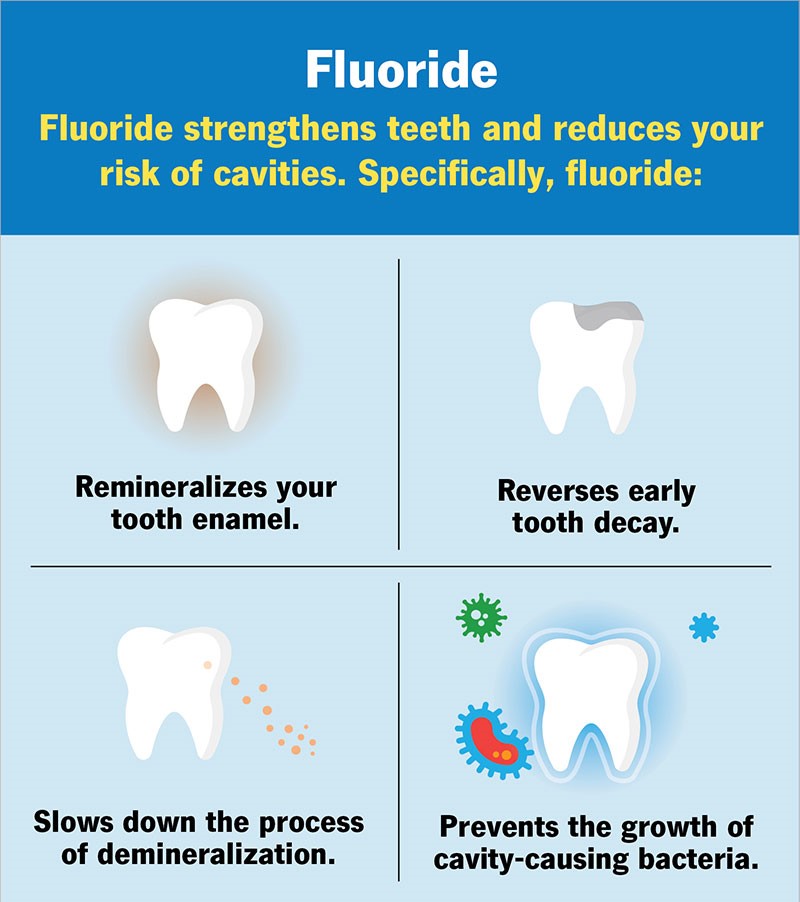
Fluoride is a naturally occurring mineral found in water and many foods. It plays an important role in protecting teeth from decay by strengthening enamel and repairing early damage. Fluoride helps reverse the initial stages of tooth decay through a process called remineralization.
When used in recommended amounts, fluoride is considered safe and effective. Although excessive intake can be harmful, reaching toxic levels is unlikely with everyday products such as toothpaste and mouth rinses because they contain controlled, low concentrations.
What Is Fluoride?
Fluoride helps rebuild tooth enamel, slows down early decay, and limits the growth of harmful bacteria in the mouth. In dental care, it is commonly used to strengthen teeth and lower the risk of cavities. Health professionals widely recognize fluoride as beneficial when used appropriately and in safe quantities.
How Fluoride Works
Tooth enamel constantly goes through two natural processes:
- Demineralization: Acids formed from bacteria, plaque, and sugars attack the enamel, causing mineral loss.
- Remineralization: Minerals such as fluoride, calcium, and phosphate are redeposited into the enamel through food, water, and oral care products.
Tooth decay develops when demineralization outweighs remineralization. Fluoride helps restore balance by making enamel more resistant to acid attacks and repairing early enamel damage before cavities form.
Types of Fluoride Used in Dentistry
Fluoride is present in many foods and drinking water. In addition, it is available in oral care products such as toothpaste and mouthwash. Low-strength fluoride rinses can be purchased without a prescription, while higher concentrations may require professional supervision.
Dental professionals may apply fluoride directly to teeth using different methods:
- Foam: Placed in a custom tray that fits over the teeth
- Gel: Applied using a tray or painted directly onto the teeth
- Varnish: A concentrated coating brushed onto the tooth surface
When Is Fluoride Most Important?
Fluoride is especially important for children between the ages of six months and sixteen years, as it supports the development of strong, healthy teeth. Both developing teeth and fully erupted teeth benefit from adequate fluoride exposure.
Careful monitoring of fluoride intake in young children is important to prevent enamel fluorosis, a condition that appears as faint white streaks on the teeth during development. This can occur even before teeth fully emerge.
For young children, it’s recommended to:
- Use only a pea-sized amount of fluoride toothpaste
- Encourage spitting out toothpaste instead of swallowing it
- Avoid fluoride supplements in infants under six months
- Avoid fluoride mouth rinses for children under six unless advised by a professional
Benefits of Fluoride for Adults
Adults can also benefit from fluoride, particularly those who have a higher risk of tooth decay. Fluoride may be especially helpful if you have:
- Dry mouth: Reduced saliva increases cavity risk
- Gum disease: Exposed tooth roots are more vulnerable to decay
- A history of cavities: Extra protection can help prevent recurrence
- Dental restorations or appliances: Crowns, braces, and bridges can trap plaque
Fluoride Treatments
Fluoride treatments are often provided during routine dental visits. A gel, foam, or varnish is applied directly to the teeth, and the process usually takes only a few minutes.
Benefits of Fluoride
Fluoride significantly lowers the risk of cavities and strengthens tooth enamel. Its key benefits include:
- Rebuilding weakened enamel
- Reversing early-stage tooth decay
- Slowing mineral loss from enamel
- Reducing the growth of cavity-causing bacteria
Risks and Side Effects
The most common side effect associated with fluoride is fluorosis, which typically occurs in children under six during tooth development. It is usually caused by excessive intake of naturally occurring fluoride, such as from well water.
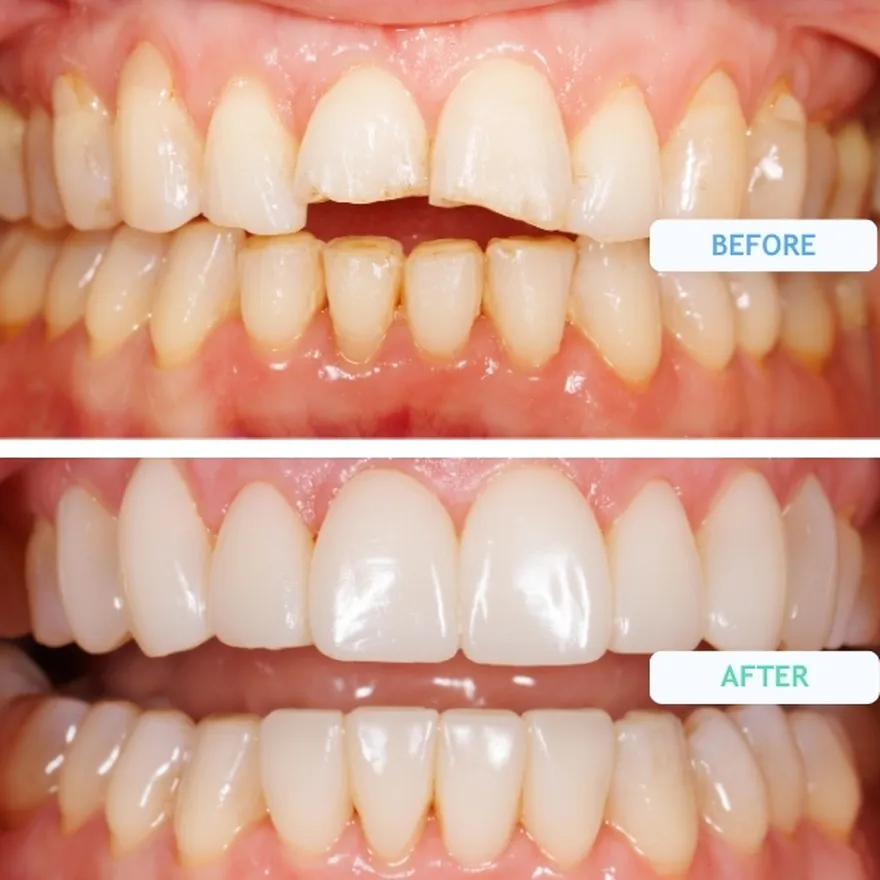
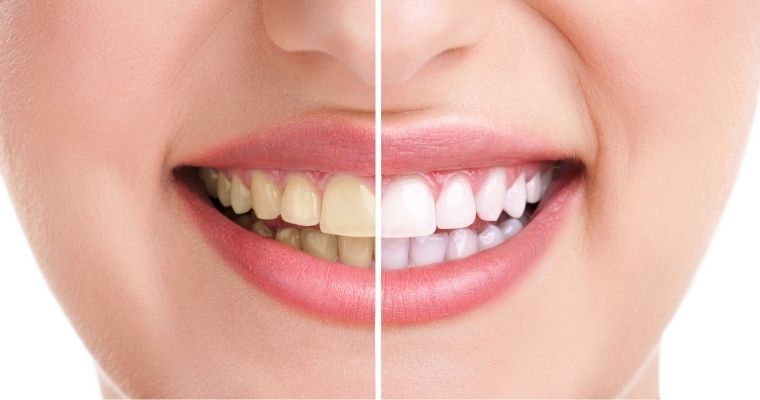
Fluorosis cannot be removed by brushing, but cosmetic treatments like whitening, bonding, or veneers may improve appearance if needed.
How Often Is Fluoride Needed?
The frequency of fluoride treatments varies based on individual oral health needs. Many people benefit from treatments every six months, while those prone to cavities may require them more often.
Final Thoughts
Fluoride is a naturally occurring mineral that plays a key role in maintaining strong teeth and preventing cavities. Regular use of fluoride-containing oral care products and professional applications, when needed, can help protect enamel and support long-term oral health when used responsibly.




Leave a Reply